
This is the most common question a first-time cruiser asks, and it is usually answered with a list of islands — which is no help at all, because you have not been to any of them.
Here is the version that actually decides it.
The real difference is what a port day is for
The two regions are not variations on the same trip. They are built around different kinds of day ashore.
Western Caribbean runs toward the Greater Antilles and Central America — Mexico’s Yucatan coast, Grand Cayman, Belize, Roatan, Jamaica. The port days have things to do: Mayan ruins, cave systems, reef diving and snorkelling, jungle and river excursions. It is the region for people who want the day ashore to be an activity.
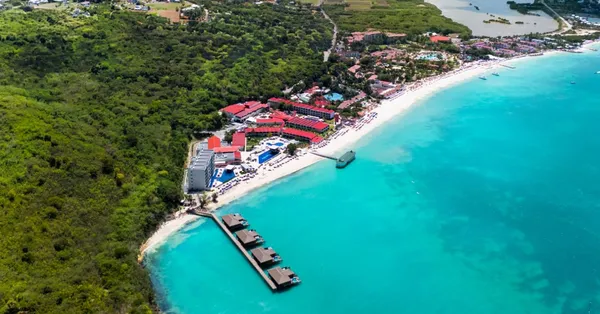
Eastern Caribbean runs toward the Lesser Antilles and Puerto Rico — San Juan, St. Thomas, St. Maarten, Grand Turk, the Virgin Islands. The port days lean toward beaches, walkable towns, and shopping. Less planning required, less to organise, and the water is reliably spectacular.
Neither is better. But they attract different people, and the mismatch is the most common regret I hear about a first cruise — someone who wanted to see something booked a week of beach days, or someone who wanted to rest booked a week of six-a.m. excursion meet-ups.
The second variable: how much time at sea
Eastern ports are farther apart, which means more sea days. Western itineraries tend to pack ports closer together.
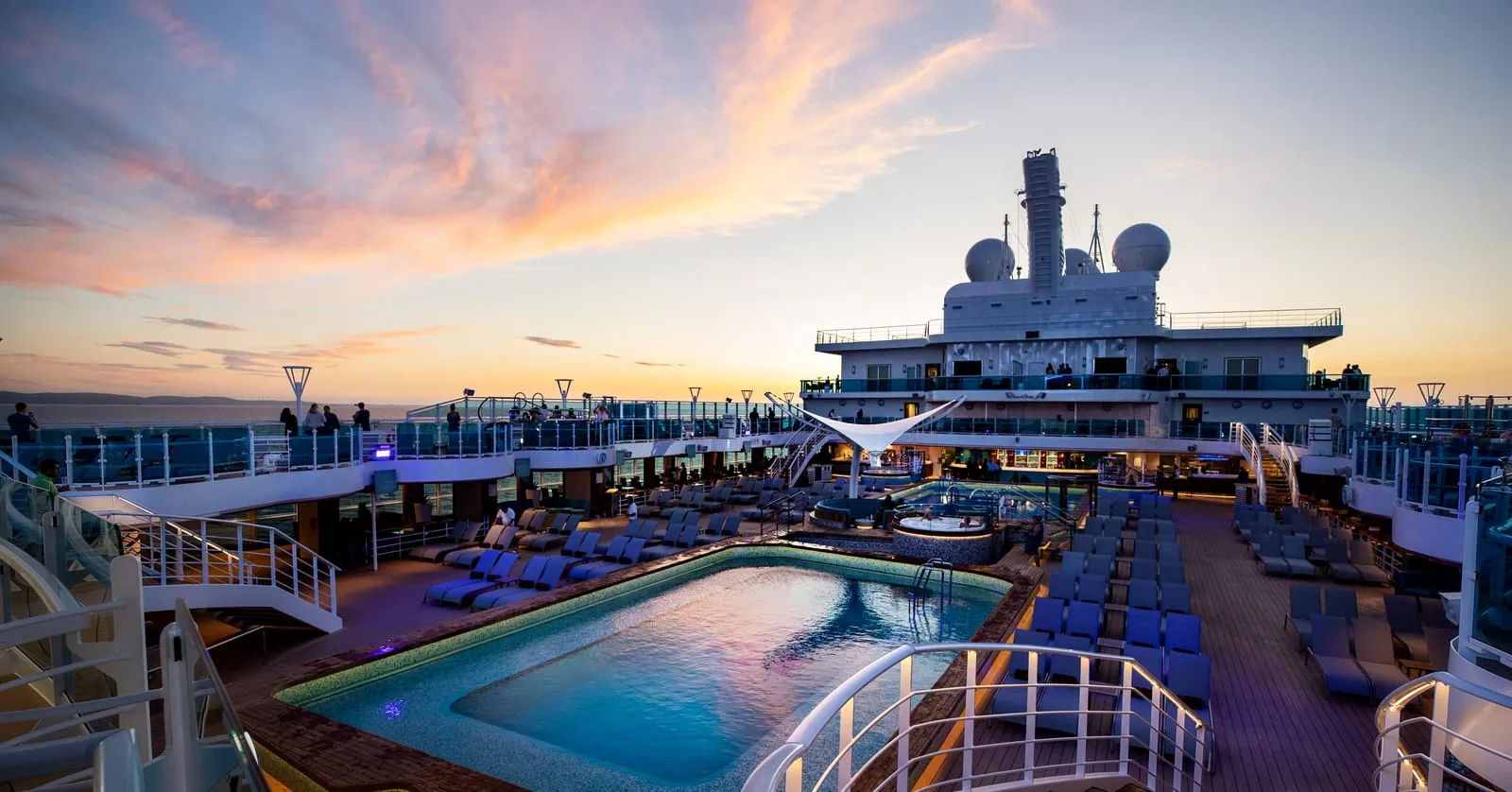
This is worth thinking about honestly, because sea days are the part of cruising people misjudge in both directions. If the ship is the point — the pools, the food, the shows, doing nothing in particular at a speed you cannot achieve at home — then sea days are the best part of the trip and Eastern gives you more of them.
If you booked a cruise to see places, a sea day can feel like a day spent in a shopping mall that is moving. Western gets you ashore more often.
Ask for the day-by-day before you book. Not the marketing itinerary with the island names — the actual schedule with arrival and all-aboard times. It is the single most informative document in the whole quote and almost nobody reads it.
Length, and why the short one is smart
Western itineraries come in shorter formats — four and five-night sailings alongside the standard week. Eastern is usually a full week.
For a genuine first-timer who is not yet sure they like cruising, that is a real advantage. A short Western sailing answers the question at a fraction of the commitment. Some people discover on day two that they love it. Some discover that a floating resort they cannot leave is not their idea of rest. Both are useful findings, and both are cheaper to make over four nights.
The honest caveat: you lose most of a day at each end to embarkation and disembarkation, so a four-night cruise is closer to three usable days. That is fine as a test. It is thin as a vacation.
Weather, and the part that actually varies
Both regions share an Atlantic hurricane season running roughly June through November and peaking late in that window. Neither is meaningfully safer than the other in a given week.
What does differ: cruise ships move. That is the underrated advantage of a cruise in storm season over a resort in storm season — an itinerary can be rerouted around weather, and often is. You may not get the ports you booked, but you will usually still get a trip. Understand going in that the cruise line can change ports at any time and owes you nothing for it. If specific ports are the reason you are going, that is a reason to avoid the peak of the season rather than to plan around it.
So which one
Western if you want to do things ashore, if you have kids who need a day with structure, or if you want a shorter sailing to find out whether cruising is for you at all.
Eastern if you want beaches and easy port days, if you like the idea of sea days, and if you are reasonably confident that a week on a ship sounds good rather than long.
If you are genuinely unsure: a shorter Western sailing, on the newest ship you can get in your window. First cruises are decided by the ship more than the islands, and the difference between a current ship and a twenty-year-old one in the same fleet is larger than the difference between the two regions.
Send me the sailings you are weighing up and I will tell you what the day-by-day actually looks like. That is usually where the decision makes itself.